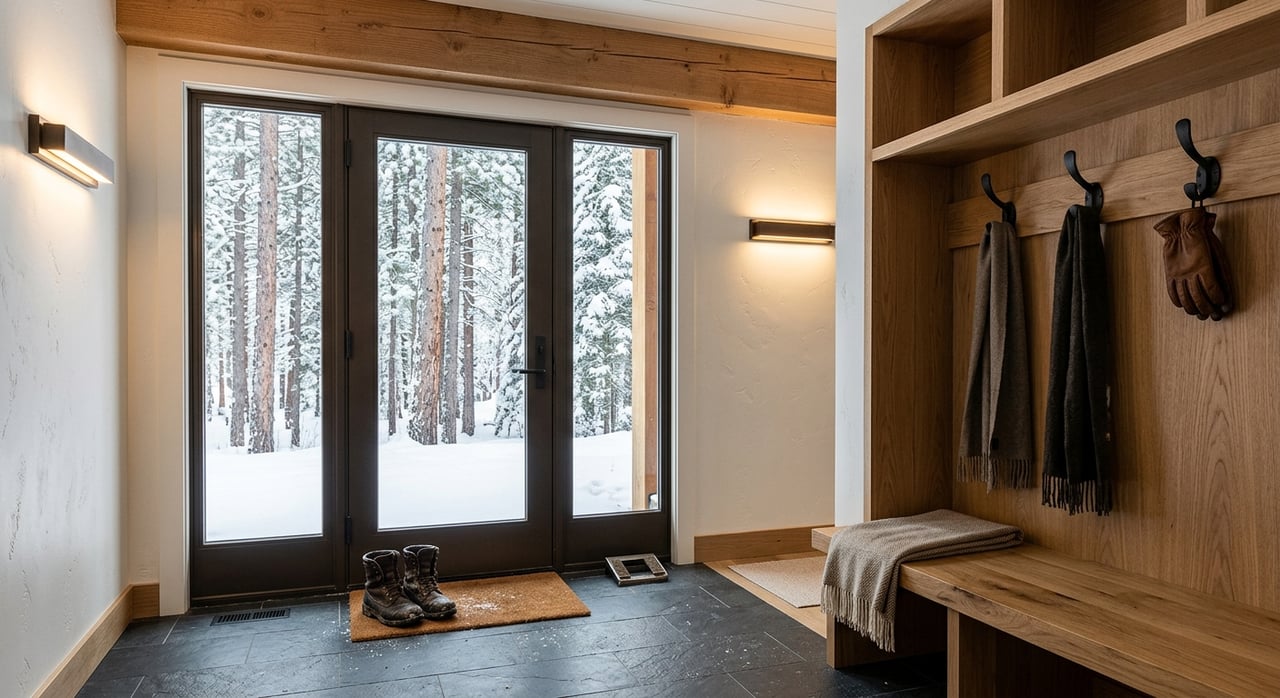
How to Sell Your Sandpoint Home in Winter With Confidence
June 4, 2026
June 4, 2026
Winter can feel like the wrong time to put your home on the market, especially in a place like Sandpoint where snow, shorter days, and holiday schedules can change how buyers move. But winter also brings a different kind of opportunity: fewer competing listings and buyers who are often more serious about making a move. If you are thinking about selling, the key is not waiting for perfect weather. It is preparing your home so it feels bright, accessible, and easy to live in from the moment someone arrives. Let’s dive in.
Sandpoint has a true winter season, typically stretching from November through March, with about 58 inches of snowfall annually. December and January average temperatures are in the mid-30s during the day and mid-20s at night, so buyers are not just evaluating style and layout. They are also paying attention to warmth, snow access, parking, and how the home functions in daily winter life.
Local housing analysis has also noted stronger summer sales and a softer winter market in Sandpoint. At the same time, broader winter market trends often bring fewer active listings and more motivated buyers. In practical terms, that means your home can still stand out in winter if it is priced thoughtfully and presented with care.
In Sandpoint, curb appeal in winter begins with safety. Before a buyer notices the front door, they notice whether they can get to it comfortably. A home that looks easy to access feels easier to own.
The City of Sandpoint requires owners, tenants, or occupants to clear sidewalks at least 36 inches wide, along with curb ramps and hydrants, within 24 hours after 2 inches or more of snow. That matters for more than compliance. It also shapes first impressions during showings and photo days.
Make sure buyers can move from the street or driveway to the front door without guessing where to step. Keep these areas consistently cleared:
If conditions are slick, use sand or rock salt to reduce slip risk. Clean, visible pathways signal that the property is well maintained and ready for winter.
Sandpoint winter operations can affect how buyers arrive and park. The city notes that crews plow when snowfall reaches 2 inches or more, and some vehicles parked in violation may be towed. Downtown parking is also prohibited from 2 a.m. to 6 a.m. from November 1 to March 1.
If your home is in or near affected areas, plan ahead for showings. Make guest parking obvious, keep off-street parking open when possible, and move trailers, boats, RVs, or other seasonal obstacles off the street.
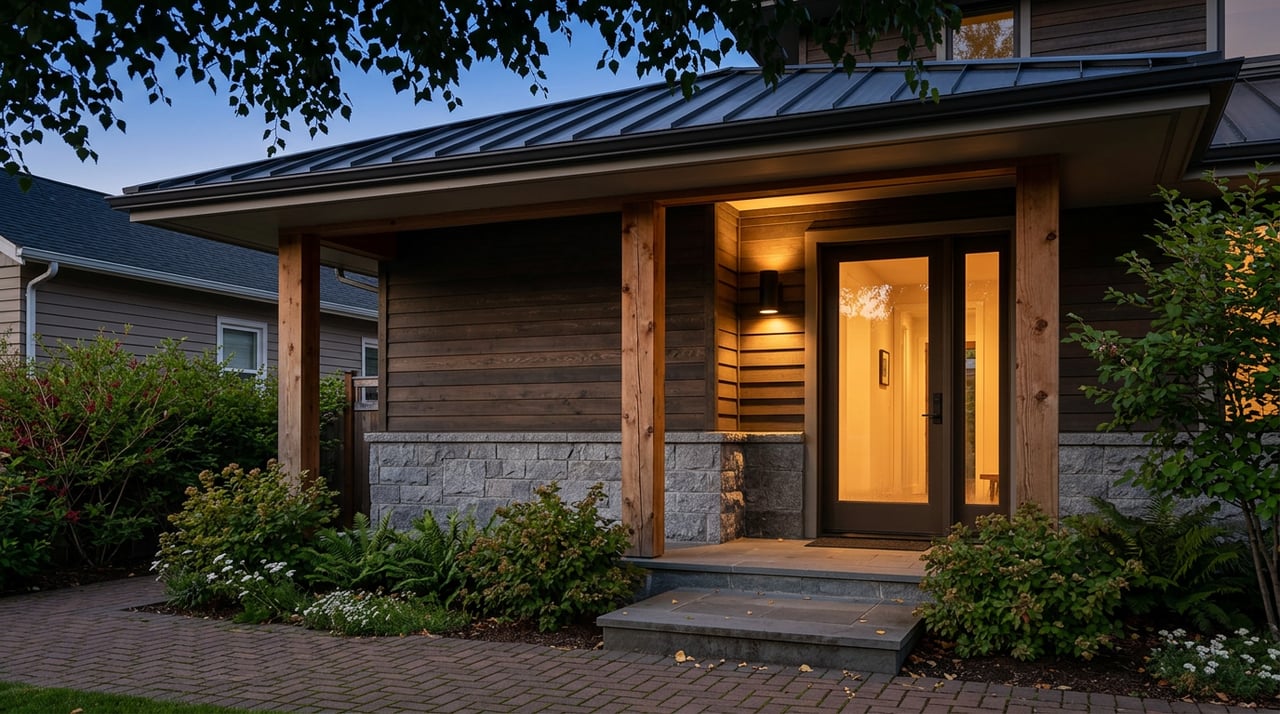
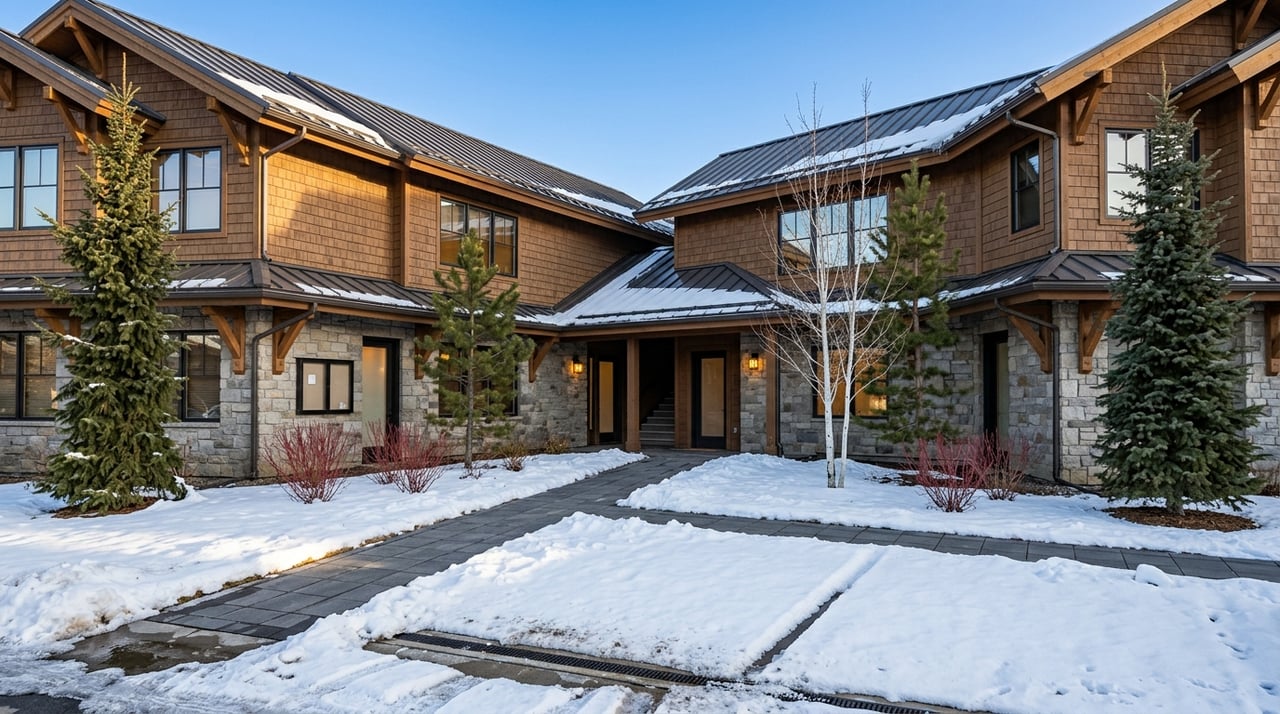
You do not need a bare lawn to make a strong exterior impression. In Sandpoint, winter curb appeal is more about order, contrast, and invitation than greenery.
A snowy setting can actually make your home look striking when the details are handled well. Buyers respond to homes that look bright, cared for, and easy to approach.
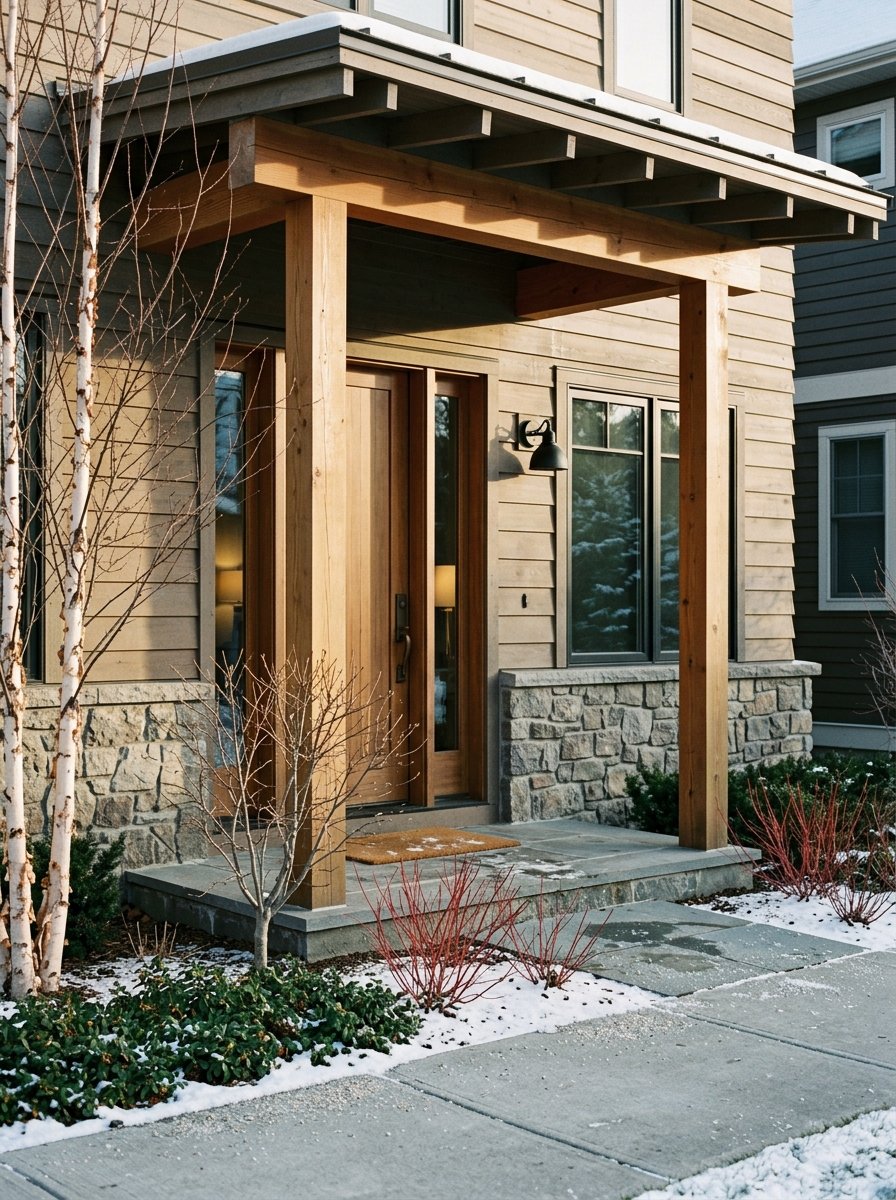
When landscaping is dormant, the visible features matter more. Pay extra attention to:
If your front door needs paint, a fresh coat can add warmth fast. Good lighting is also especially important during shorter winter days and overcast afternoons.
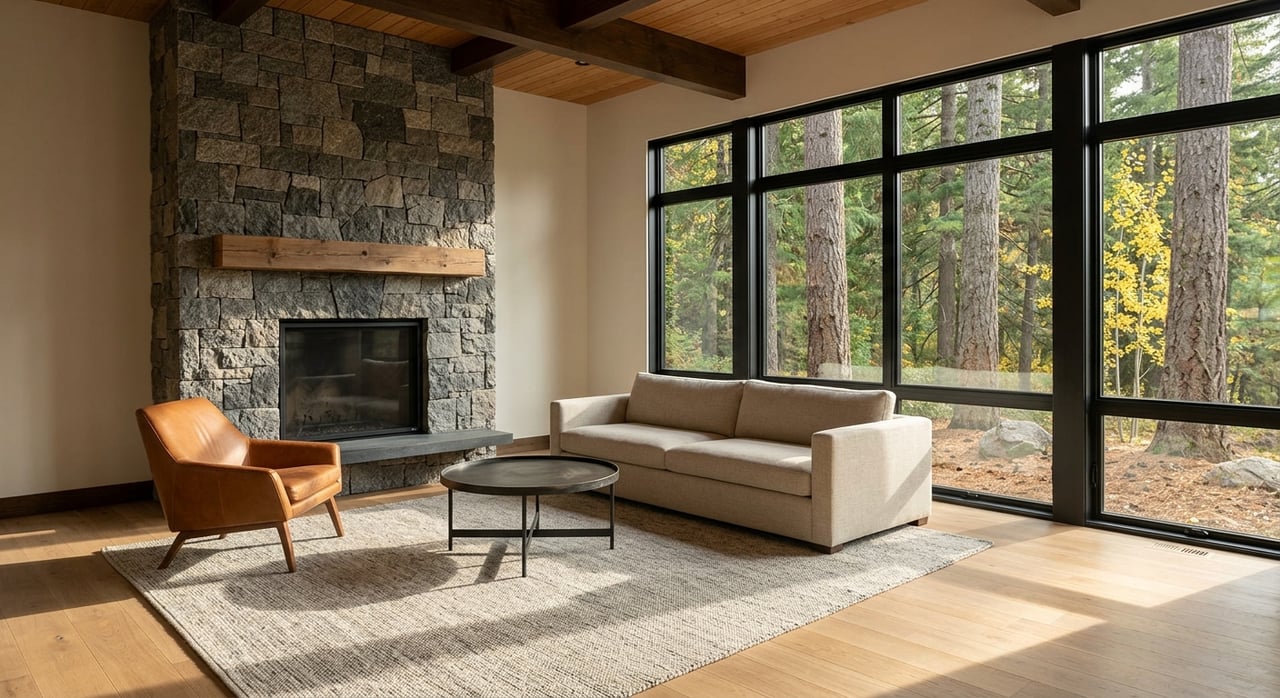
Winter buyers in Sandpoint may tour homes under gray skies or late-day light, so your interior needs to do more work. The goal is to make the home feel open, bright, and comfortable without over-staging it.
Start with the basics: declutter, deep clean, and remove anything that makes rooms feel crowded. Then turn your attention to light.
Clean windows thoroughly so natural light comes through. Replace burned-out bulbs and use consistent, warm lighting throughout the home. For showings, turn on all lights, even during the day, so rooms feel cheerful and usable.
The U.S. Department of Energy also recommends opening curtains on south-facing windows during the day and closing them at night. That simple step can help with both comfort and energy efficiency.
A winter listing should feel livable, not overloaded. Soft layers can help buyers connect emotionally with the space, especially in a four-season market like Sandpoint.
Consider subtle touches such as:
Keep scents restrained. Strong candles or heavy fragrances can distract buyers instead of helping them feel at home.
In winter, comfort and upkeep are part of the showing experience. If the house feels drafty, dim, or difficult to maintain, buyers may assume larger issues are hiding beneath the surface.
Taking care of seasonal maintenance before listing can strengthen both presentation and confidence.
Heating is a major part of winter energy use, and buyers tend to notice quickly whether a home feels consistently warm. The Department of Energy recommends routine heating-system service and monthly furnace or heat pump filter replacement.
If your system has not been checked recently, schedule service before your home goes live. A well-functioning system helps the house show better and supports the impression of a cared-for property.
Cold air around windows, doors, chimneys, or recessed lights can make a home feel uncomfortable even when the thermostat is set properly. Sealing those gaps can improve comfort and reduce wasted heat.
This is one of the simplest pre-listing updates you can make. Buyers may not point out every draft, but they absolutely feel it.
If your home has a fireplace, pellet stove, or wood-burning appliance, make sure it is clean and working as intended. The Department of Energy advises keeping the fireplace damper closed when not in use and cleaning flues and appliance interiors regularly.
In Sandpoint, these features often support the lifestyle buyers are looking for. But they need to feel efficient and well maintained, not like a future project.
Snow and ice make drainage more important, not less. Building America guidance recommends keeping gutters and downspouts clear so roof runoff drains away from the foundation.
If gutters are clogged with debris, trapped water can freeze and create problems. Before listing, inspect drainage paths and make sure meltwater has a clear route away from the home.
Every market has its own version of everyday luxury. In Sandpoint, winter buyers often notice features that make mountain and lake life easier during colder months.
That means your listing prep should go beyond cosmetic staging. It should also emphasize how the home supports real daily living in winter.
If your home has any of the following, make sure they are clean, visible, and easy to understand in both photos and showings:
These are not minor details in a four-season setting. They help buyers picture a smoother routine after a snowfall, a ski day, or a cold morning by the lake.
Your online presentation matters year-round, but winter photography needs a slightly different strategy. Buyers should be able to tell that the home is bright, accessible, and welcoming even if the landscape is snow-covered.
That means the property should be fully show-ready before the photo appointment. Freshly cleared paths, clean windows, and warm interior lighting all matter on camera.
In Sandpoint, winter listing photos should help answer practical buyer questions right away. Aim to show:
If your property has mountain, lake, or wooded surroundings, winter light can be a real asset. Crisp air and snow contrast can create beautiful, high-clarity images when the home itself is well prepared.
One challenge of listing in winter is that the home has to stay ready through changing weather. A great first showing can be undone by one overnight storm if access becomes difficult by the next morning.
Create a simple reset plan so the property stays consistent throughout the listing period.
Before or after snow, make it easy to reset the home quickly:
This kind of consistency matters. Buyers often make fast assumptions about how a home has been maintained, especially in winter conditions.
Even a beautifully prepared home needs a pricing strategy that fits the season. Sandpoint has clear market seasonality, and recent Bonner County data has shown a range in pricing and market pace depending on the source, with median days on market generally landing in the 40s to 60s.
That is why winter sellers benefit from a realistic, local approach. Strong presentation helps attract attention, but the price still needs to reflect current demand, competing inventory, and what buyers are seeing in the market right now.
Selling in winter is not about pretending it is spring. It is about showing buyers that your home lives well right now, in the season they are standing in. In Sandpoint, that means leaning into brightness, warmth, access, and the practical details that make winter living feel easy.
When your home is prepared with intention, winter can become an advantage instead of a hurdle. If you are thinking about listing and want a tailored plan for timing, presentation, and pricing, Jeff Gove can help you prepare your home for a polished, confident market debut.
Stay up to date on the latest real estate trends.
Join a trusted team committed to making your Idaho real estate journey smooth, efficient, and personalized to your needs.