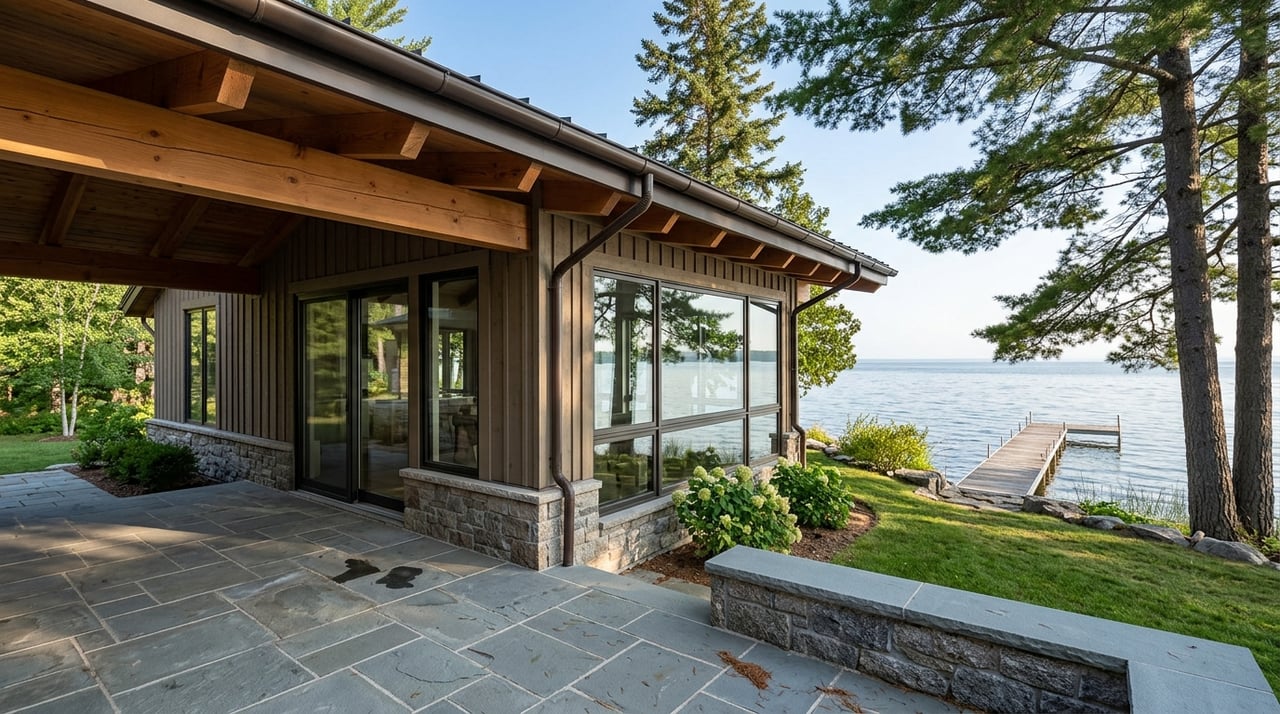
Everyday Waterfront Living In Sandpoint
June 11, 2026
June 11, 2026
What if waterfront living did not have to mean a gated-off lifestyle or a once-in-a-while luxury, but something you could actually enjoy as part of your normal week? In Sandpoint, that is the draw. You are not just near Lake Pend Oreille here. You are woven into a waterfront rhythm that includes morning walks, marina access, downtown dinners, and seasonal traditions. If you are wondering what everyday waterfront living in Sandpoint really feels like, this guide will help you picture it more clearly. Let’s dive in.
One of the most distinctive things about Sandpoint is that its waterfront is not only about private shoreline. The city describes the Long Bridge approach as offering broad views of Lake Pend Oreille, Sandpoint, Schweitzer, and the Selkirk range, which sets the tone before you even arrive downtown.
That public-facing feel continues once you are in town. City Beach is a 22-acre park and one of the city’s central gathering places, giving the waterfront an active, shared role in daily life rather than a hidden or exclusive one.
Lake Pend Oreille itself shapes that experience in a big way. Idaho Fish and Game identifies it as Idaho’s largest lake and one of the deepest inland lakes in North America, which helps explain why boating, paddling, fishing, and shoreline time are such a visible part of life in Sandpoint.
For many residents, City Beach is the heartbeat of waterfront living in Sandpoint. The park includes a marina, seasonal boat launch, swim area, bicycle and pedestrian paths, picnic areas, courts, and concessions, so it supports everything from a quick walk to a full summer afternoon.
The practical details matter, too. The city notes that City Beach is open from 7 a.m. to 11 p.m., and its paths are plowed in winter after sidewalks are cleared, which helps keep the waterfront part of your routine through more than just peak summer months.
That kind of access changes how a place feels. Instead of planning a special lake day, you may find that stopping by the water becomes part of an ordinary Tuesday.
Summer is the busiest time around the downtown and waterfront core, and the city reports very high parking demand during peak tourism months. In response, Sandpoint has added resident permits and paid parking in select city lots to help preserve access.
That means everyday waterfront living comes with some real-world tradeoffs. You get a vibrant, active shoreline, but you also need to expect a busier atmosphere when visitor season is in full swing.
Winter changes the mood, not the relevance of the waterfront. The city notes that the east-facing beach at City Beach can become an informal sledding hill, which gives the shoreline a different kind of energy when temperatures drop.
Sandpoint stands out because its downtown is unusually boat-accessible for a town of its size. According to the city, free day-use boat parking is available at both Windbag Marina and City Beach Marina, and overnight visitor moorage is also offered.
That setup makes the waterfront feel functional, not just scenic. You can approach the downtown core from the water, spend time near shops and restaurants, and stay connected to the lake without treating boating as a separate destination activity.
The city also offers seasonal moorage at both marinas, with pricing tiers for residents, county residents, and nonresidents. There is also a local invasive species fee that supports milfoil and flowering rush removal, which reflects how the waterfront is actively managed and maintained as a community resource.
One detail buyers often appreciate knowing upfront is that boat-launch access is seasonal. The city states that the City Beach boat launch is usable only when the lake is near its summer pool level.
In practical terms, your boating routine follows seasonal conditions and water levels. That does not take away from the lifestyle, but it does mean that living near the water in Sandpoint comes with a natural seasonal cadence.
A big part of everyday waterfront living is how easy it feels to move through the area without getting in the car for every outing. Sandpoint supports that with connected paths and trails near the water.
The Sand Creek Multi Use Trail runs along the east bank of Sand Creek. Humbird Mill Park connects into the Pend d’Oreille Bay Trail, which parallels Lake Pend Oreille.
For you as a resident, that can make a morning walk, bike ride, or evening stroll feel built into your neighborhood routine. The waterfront is not off in the distance. It stays present in the shape of your day.
For many people, waterfront living is about more than the view. It is also about what you can do on the water and around it.
Idaho Fish and Game notes that Lake Pend Oreille supports native species including Westslope cutthroat trout and bull trout, along with more than 10 non-native species. Its fishing planner also lists kokanee, rainbow trout, lake trout, walleye, bass, perch, and more, showing the lake’s broad recreational appeal.
Even if you are not a dedicated angler, that variety says something important about the setting. This is a working, active lake with depth, scale, and year-round identity.
In some lake towns, the waterfront and downtown feel disconnected. In Sandpoint, they feed into each other.
Visit Sandpoint reports that the town has more than 60 restaurants, including several waterfront options. Loading Dock @ Three Glasses, for example, sits at Bridge Street and First Avenue with a deck facing Sand Creek on the path to City Beach, reinforcing how closely dining and shoreline movement are linked.
That creates a lifestyle that feels easy to repeat. You can spend time on the water, walk into town, grab dinner, and continue your evening without needing to plan around long drives or isolated districts.
Sandpoint’s evening rhythm is also part of the appeal. Visit Sandpoint notes frequent live music at Connie’s Cafe and Lounge, while the 219 Lounge promotes live music on Friday and Saturday nights.
In the summer, the Festival at Sandpoint brings an annual concert series to War Memorial Field on the shores of Lake Pend Oreille. Together, these patterns support a waterfront lifestyle that feels social and grounded rather than overly polished or formal.
Seasonality still matters. Visit Sandpoint notes that some waterfront dining and lodging options can be affected by winter, so the atmosphere shifts throughout the year.
One reason Sandpoint’s waterfront feels like part of everyday life is that the community keeps returning to the same downtown-waterfront area for annual events. That repetition helps the setting feel lived in.
Visit Sandpoint’s annual calendar includes the downtown Farmers Market, POAC ArtWalk, and Lost in the ’50s. These are not isolated to a remote venue. They pull residents and visitors back into the same central core near the water.
If you are considering a move, that matters. It means the waterfront is not just attractive in photos. It continues to function as a backdrop for regular community life.
When people hear “waterfront living,” they often picture a detached house directly on the lake. In Sandpoint, the planning framework suggests a broader range of possibilities.
The city’s residential code includes single-family, multi-family, rural residential, mixed-use residential, and accessory dwelling unit provisions. The planning process also addresses condo plats, short plats, subdivisions, and planned unit developments, which points to a mix of housing forms rather than a single waterfront template.
The downtown district’s planning footprint includes portions of downtown, City Beach, the 5th Avenue corridor, and The Seasons. That is useful context if you are looking for a waterfront-adjacent lifestyle with walkability and lower upkeep, not only direct shoreline ownership.
The same features that make Sandpoint’s waterfront so usable also make it visible and active. If you buy in this area, you are often choosing between direct access and a more private setting.
The city’s shoreline setback rules add another practical layer. Residential shoreline setbacks are 40 feet from the artificial highwater mark, with a possible reduction to 25 feet if the area is revegetated with native vegetation.
Those standards are important if you are evaluating a property near the water. They shape how sites can be used and improved, and they reinforce that waterfront ownership here exists within a well-defined civic framework.
The clearest way to describe Sandpoint’s waterfront lifestyle is this: it feels integrated. You can arrive by car or boat, walk or bike near the shoreline, spend time at City Beach, enjoy downtown dining, and take part in local events without leaving the lake-oriented core.
That does not mean every property sits directly on the water. It means the waterfront is close enough, usable enough, and central enough to influence how you live day to day.
For many buyers, that is the real appeal. Not just owning a view, but living in a place where the lake remains part of your ordinary week in every season.
If you are exploring homes, condos, or low-maintenance options near Sandpoint’s waterfront, working with a team that understands both the lifestyle and the local planning context can make all the difference. Connect with Jeff Gove for a more tailored look at what waterfront living in Sandpoint could mean for you.
Stay up to date on the latest real estate trends.
Join a trusted team committed to making your Idaho real estate journey smooth, efficient, and personalized to your needs.