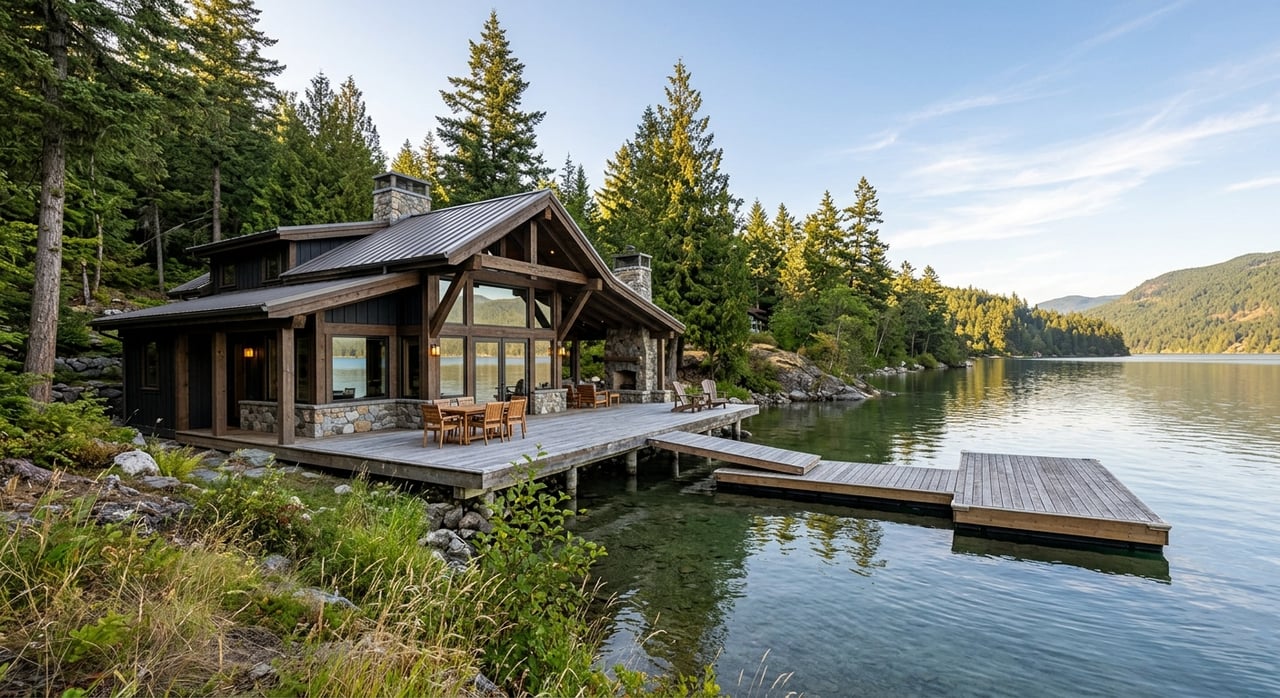
What to Know Before Buying a Waterfront Home in Sandpoint
May 28, 2026
May 28, 2026
A waterfront home in Sandpoint can feel like the dream purchase: mountain views, lake days, quiet mornings, and direct access to one of North Idaho’s most distinctive landscapes. But buying on the water here is not quite the same as buying a typical home, and the details matter more than many buyers expect. If you want to make a confident decision, it helps to understand how shoreline rights, permits, inspections, and seasonal access shape the real value of a property. Let’s dive in.
Sandpoint sits on Lake Pend Oreille, Idaho’s largest lake. According to Idaho Fish and Game, the lake covers 92,764.4 acres, has 144 miles of shoreline, and reaches depths of more than 1,170 feet. That scale helps explain why waterfront living here feels so special, but also why true shoreline opportunities can be limited.
Pricing reflects that scarcity. Sandpoint’s broader housing market had a median sale price of $592,500 in March 2026, yet waterfront listings span a much wider range. Current listing examples include entry-level waterfront condos with shared amenities, riverfront homes, new-construction opportunities, and high-end lakefront estates priced well into the luxury bracket.
That means waterfront is not one single market. In Sandpoint, you may be choosing between a condo with community dock access, a riverfront home, a direct lakefront property, or an estate-style offering with a larger shoreline presence. Each comes with a different lifestyle, ownership structure, and due diligence checklist.
One of the first questions to answer is simple: What are you actually buying? In Sandpoint, some waterfront listings offer direct shoreline ownership, while others offer community beach access, shared docks, or a water-oriented setting without private frontage.
That distinction matters because value is tied to more than the home itself. You are often buying a mix of structure, view, access, and shoreline rights. Two homes may both be marketed as waterfront, but their long-term use and resale appeal can be very different.
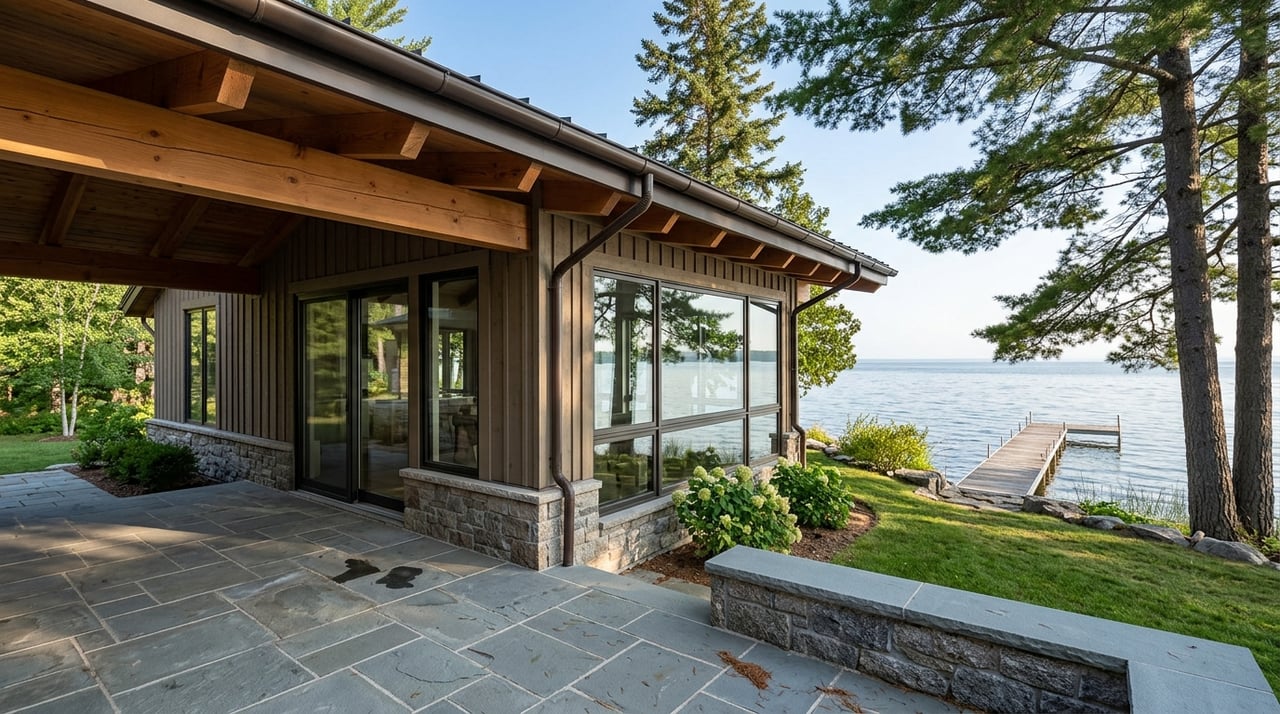
A direct waterfront property may include private shoreline and private access features, subject to local rules and permit status. A condo or townhome may offer a lower-maintenance path to the waterfront lifestyle, but your rights may be limited to shared amenities such as a community dock or beach area.
Neither option is automatically better. The right fit depends on how you plan to use the property, how much maintenance you want, and whether private water access is essential to your lifestyle.
Before you get too far into a showing or negotiation, ask:
This is one of the most important parts of buying a waterfront home in Sandpoint. On navigable lakes, the Idaho Department of Lands regulates features such as docks, marinas, shoreline stabilization, and water intake lines through encroachment permits.
If a property has existing encroachments, buyers and sellers may need a joint assignment form and a $300 fee to transfer them properly. Just as important, if existing improvements do not match the permit record, the buyer may become responsible for correcting the issue after closing.
A dock that looks fine during a showing may still create a problem if it was changed without proper approval. The same goes for shoreline stabilization, buoys, waterlines, and other structures near the water. Permit records help confirm whether what you see on site matches what has been authorized.
This review can affect both your costs and your future plans. If you hope to improve the shoreline, replace a dock, or make other upgrades, it is smart to understand the current permit status before you write an offer.
Many buyers focus on the home and the view first, then think about future additions later. On waterfront property, that order can create disappointment. Bonner County’s shoreline code sets a 40-foot shoreline setback for lakes, sloughs, ponds, the Clark Fork, and the Pend Oreille rivers, and those rules can directly affect what you may be able to build or expand.
The county also allows certain access improvements, such as narrow steps, stairs, or walkways, within the setback. In some cases, setback reductions may help preserve a 100-foot building envelope, but that does not mean every lot will offer the same flexibility.
If you are considering a remodel, guest space, garage expansion, or accessory structure, do not assume it will be straightforward. The lot’s relationship to the shoreline may limit your options more than expected.
This is especially important if you are buying an older cabin or home with plans to modernize it over time. What seems like a value-add opportunity on paper may be constrained by setback rules, shoreline conditions, or permit requirements.
Bonner County advises buyers to understand whether a property includes wetlands, shoreline areas, steep hillsides, flood hazard areas, or floodways before buying or developing. The county also notes that public maps may not show everything, which makes property-specific review especially important.
If development is planned in a flood hazard area or floodplain, a flood development permit is required. For buyers, that means floodplain status is not just a line item on a report. It can influence insurance, future improvements, and how you evaluate the site overall.
On a waterfront property, the lot is part of the home’s function. Pay attention to how water moves across the site, how steep the slope feels, whether retaining walls appear stable, and whether shoreline erosion is visible.
These details may not be obvious during a quick summer showing. A careful review now can help you avoid expensive surprises later.
Bonner County states that it has not had adopted building codes since 1997. The county regulates use and development through permits, but structural integrity is not regulated in the same way many out-of-area buyers may expect.
That makes independent due diligence even more important. A standard home inspection is a good start, but waterfront properties usually call for a broader review.
A strong inspection plan for a Sandpoint waterfront purchase may include reviewing:
This process is not about overcomplicating the purchase. It is about understanding what you are taking on so you can move forward with clarity.
Septic deserves extra attention on waterfront purchases. Panhandle Health District requires permits for all subsurface sewage disposal systems in Idaho, and anyone who constructs or alters a system must hold a valid permit.
If the property is not connected to municipal sewer, confirm not only the current septic setup, but also whether the parcel can support future replacement or expansion. That can be a major issue if you plan to renovate, add bedrooms, or hold the home long term.
A septic system may work today and still limit your options tomorrow. For example, a parcel may not support the expansion you envisioned, or replacing an aging system could be more complex than expected.
For waterfront buyers, this is not a small technical detail. It is part of the property’s long-term usability and should be reviewed before the purchase moves too far ahead.
It is easy to fall in love with waterfront living on a sunny day. Sandpoint’s winter conditions deserve equal attention. The city reports about 30 days of winter weather and an average annual snowfall of 58 inches, with winter conditions typically running from November through March.
The city also asks residents to remove boats, trailers, and other obstacles from streets by November 1 to support snow removal. Snow gates can narrow roadways, and parked vehicles can interfere with plowing.
If the property has a long driveway, private lane, or more remote access point, ask practical questions early:
These details shape day-to-day ownership more than many buyers realize.
For many buyers, boating is a major reason to buy waterfront in Sandpoint. The city notes that Windbag and City Beach marinas are both located at Sandpoint City Beach, and visitors can use free day-use boat parking downtown, at Windbag Marina, and at City Beach Marina. Overnight visitor moorage is also available, and City Beach includes a seasonal boat launch.
That means your boating life may not depend only on whether your property has a private dock. Depending on how often you boat and how you use the water, a home with community access or convenient marina options may serve you well.
A beautiful waterfront setting is important, but daily function matters too. Ask yourself whether you want to step onto a private dock, rely on shared access, keep a slip at a marina, or launch from a public facility.
The right answer depends on your routine. If you boat often, carrying costs such as permits, parking, and storage should be part of your budget conversation from the start.
Before moving forward on a waterfront home in Sandpoint, make sure you can answer these clearly:
When you have clear answers to those questions, you are in a much stronger position to judge value, negotiate thoughtfully, and avoid surprises.
In Sandpoint, a waterfront purchase is about more than square footage and scenery. Permit history, shoreline rules, septic feasibility, floodplain considerations, and winter access can all shape the ownership experience just as much as the house itself.
That is why a calm, thorough buying process matters. When you understand what you are buying, how it can be used, and what future costs or limits may come with it, you can choose a property that truly fits your goals.
If you are considering a waterfront home in Sandpoint and want a more tailored, high-touch buying strategy, connect with Jeff Gove for thoughtful guidance grounded in the realities of this unique market.
Stay up to date on the latest real estate trends.
Join a trusted team committed to making your Idaho real estate journey smooth, efficient, and personalized to your needs.