Sandpoint In Town vs Country: How to Choose Well
June 18, 2026
June 18, 2026
Wondering whether life feels better in town or out on acreage near Sandpoint? It is a common question, especially when both options can look appealing for very different reasons. If you are weighing convenience against space, this guide will help you compare the real day-to-day differences so you can choose with more confidence. Let’s dive in.
In the Sandpoint area, the decision is often bigger than picking one house over another. You are usually choosing between city services and close-in convenience or more land, privacy, and owner-managed systems.
Within Sandpoint city limits and the Area of City Impact, homes may be served by city water, sewer, and sanitation. Outside town in unincorporated Bonner County, rural residential areas are intentionally lower density, and buyers often look at acreage properties that support a quieter setting or small-scale agriculture.
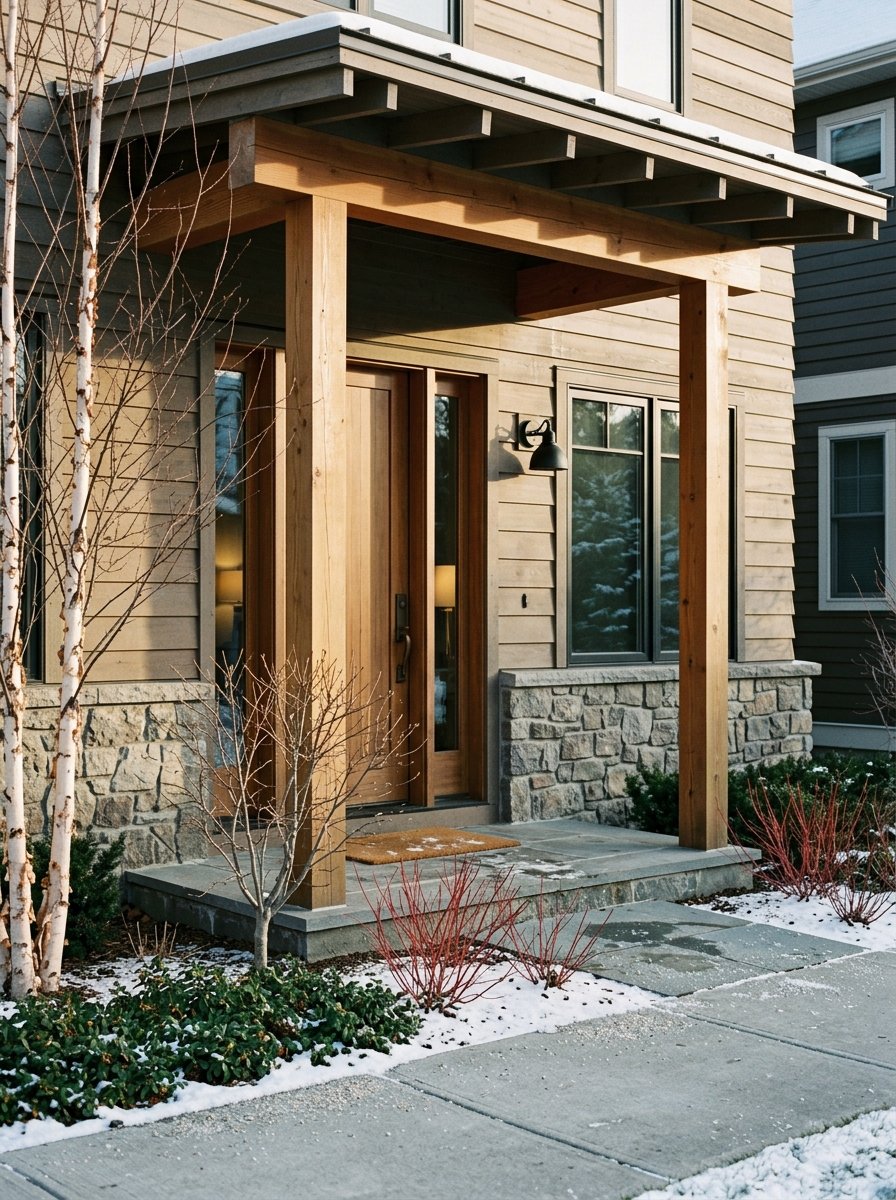
In-town homes appeal to buyers who want to keep daily life simple. Downtown Sandpoint is planned as a walkable commercial district, and the city’s transportation planning supports walking, biking, driving, transit, and freight.
That means your routine may include shorter trips, easier access to downtown services, and the option to use free SPOT transit around town. The city also maintains cycling routes, which adds another layer of flexibility for getting around.
For many buyers, the biggest benefit of living in town is how much easier everyday logistics can feel. You may be closer to parks, waterfront access, downtown parking, marinas, and public spaces that are harder to replicate on a rural property.
Sandpoint also offers free day-use boat parking downtown, along with access points like Windbag Marina, City Beach Marina, and nearby waterfront amenities. If you value being able to enjoy town without a long drive, that can carry real weight.
Another key advantage is infrastructure. Homes in town may have city water, sewer, and sanitation service, which can reduce the amount of private system oversight you handle as an owner.
That does not remove all maintenance responsibilities, but it usually means fewer utility systems for you to monitor directly. For busy professionals, second-home buyers, or downsizers, that simplicity can be especially appealing.
Snow is part of life in Sandpoint, which averages about 58 inches annually. The city says it plows all streets, including residential streets, when snowfall reaches two inches or more, with the most traveled roads and essential routes handled first.
In-town owners still have responsibilities, including keeping sidewalks, ADA ramps, mailboxes, and hydrants clear of snow and ice. Even so, the public street system can feel more straightforward than managing a long rural driveway or private access road in winter.
Country properties near Sandpoint attract buyers who want room to spread out. In Bonner County, rural residential land is typically lower density, and acreage-oriented living is often part of the appeal.
If you picture more privacy, more separation from neighbors, or space for storage and hobby use, a rural property may fit that vision better. Some buyers also value the possibility of small-scale agricultural use that aligns with county rural land patterns.
The appeal of country living is often simple. You may get more open space, a quieter setting, and a property that feels more independent from the pace of town.
That extra room can create flexibility in how you use your property day to day. At the same time, more land often means more systems, more upkeep, and more planning around access.
Outside town, one of the biggest changes is moving away from municipal infrastructure. Many country homes rely on private wells and septic systems, and that shifts more responsibility to you as the owner.
Idaho DEQ says private wells are not regulated like public water systems, and private well owners are responsible for making sure their water is safe. DEQ recommends annual testing for nitrate and coliform bacteria.
Septic systems also require regular attention. DEQ says individual septic systems typically include a tank and drainfield, require a permit from the local public health district, and should be installed by a licensed installer and inspected by the public health district.
DEQ also notes that septic systems should be inspected every two to three years and pumped as recommended, generally every three to five years depending on the system and household size. That does not make country living harder for everyone, but it does make it more hands-on.
A rural address can come with a very different road setup than a home in town. Bonner County maintains 679 miles of county roads, including gravel and hard-surface roads, and it plows and sands them in winter.
Still, not every road you drive to reach a home is necessarily county-maintained. The county also notes that some roads were created by private landowners or developers and were never intended to become county-maintained roads.
That is why road ownership, maintenance responsibility, and easement details matter so much when you buy acreage. You will want a clear understanding of whether the road is county-maintained, privately maintained, or effectively part of a private driveway arrangement.
In North Idaho, winter access is not a small detail. It can affect your commute, deliveries, parking, and how quickly you can come and go after a storm.
In town, Sandpoint follows a published snow-removal priority system once snowfall reaches the trigger depth. In the county, winter maintenance follows a different priority system, with attention to school bus routes, arterials, and other county-maintained roads.
Bonner County also says it does not clear driveways or private road intersections after the plow passes. Its road standards manual further notes that snowplows need room to turn around at road ends before plowing can continue, which is another practical consideration on rural roads.
For buyers comparing homes, this means winter questions should be specific, not general. A beautiful country property may still be the right fit, but you should know exactly what access looks like in January, not just July.
Most buyers are really comparing two types of routines. One favors ease, shorter trips, and fewer property systems to manage. The other favors space, privacy, and a more independent setup.
Neither option is better across the board. The better choice is the one that lines up with how you actually want to live, travel, and care for your property throughout the year.
A smart comparison starts with a few practical questions. These answers often tell you more than marketing language ever will.
Ask whether the home is inside Sandpoint city limits, in the Area of City Impact, or in unincorporated Bonner County. That can affect utility service, planning context, and the overall ownership experience.
Find out whether the property is on city water and sewer or on a private well and septic system. This is one of the clearest differences between an in-town home and a country property.
Ask who maintains the road to the property. County-maintained, privately maintained, and private-access situations can all work, but they come with different expectations.
Look closely at snow plowing, parking, driveway clearing, and whether the property has any private-road complications. Winter access should be part of your decision from the start.
If you want a quieter lifestyle, think about whether the trade-off works for your schedule. Commute time, transit options, and maintenance responsibility can shape how a property feels after the first excitement wears off.
The best Sandpoint-area home for you is not just the one with the best photos or the most land. It is the one that supports your day-to-day life in every season.
If you want convenience, public services, and close access to town, an in-town Sandpoint home may be the stronger fit. If you want privacy, room to spread out, and do not mind taking a more active role in utilities and access, a country property may be worth the trade-offs.
A thoughtful side-by-side review can save you time and help you focus only on homes that truly match your goals. If you are comparing in-town and acreage options around Sandpoint, Jeff Gove can help you evaluate the details that matter most.
Stay up to date on the latest real estate trends.
Join a trusted team committed to making your Idaho real estate journey smooth, efficient, and personalized to your needs.