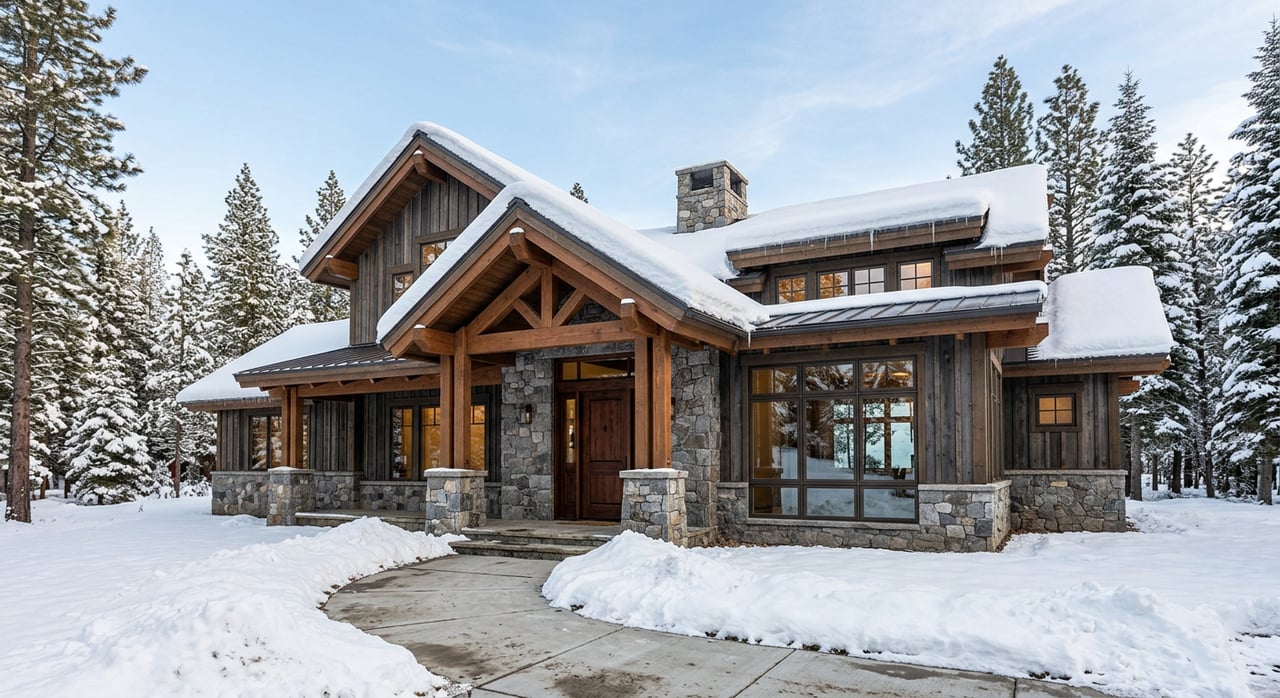
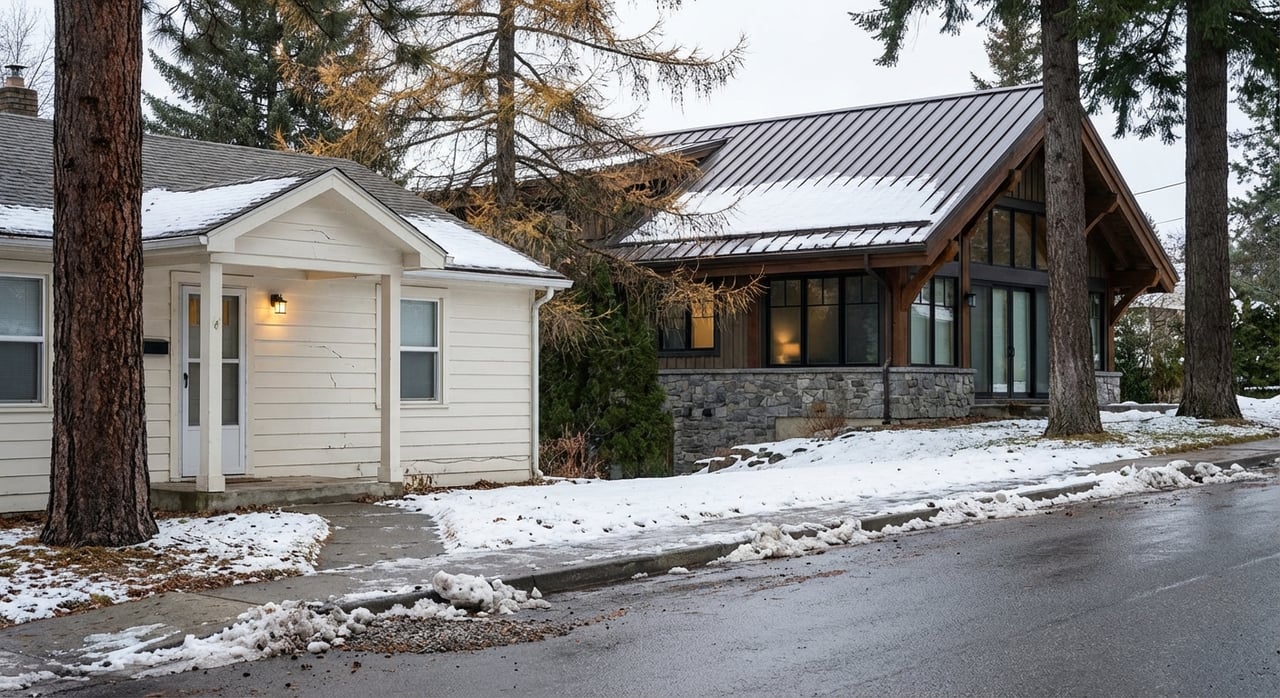
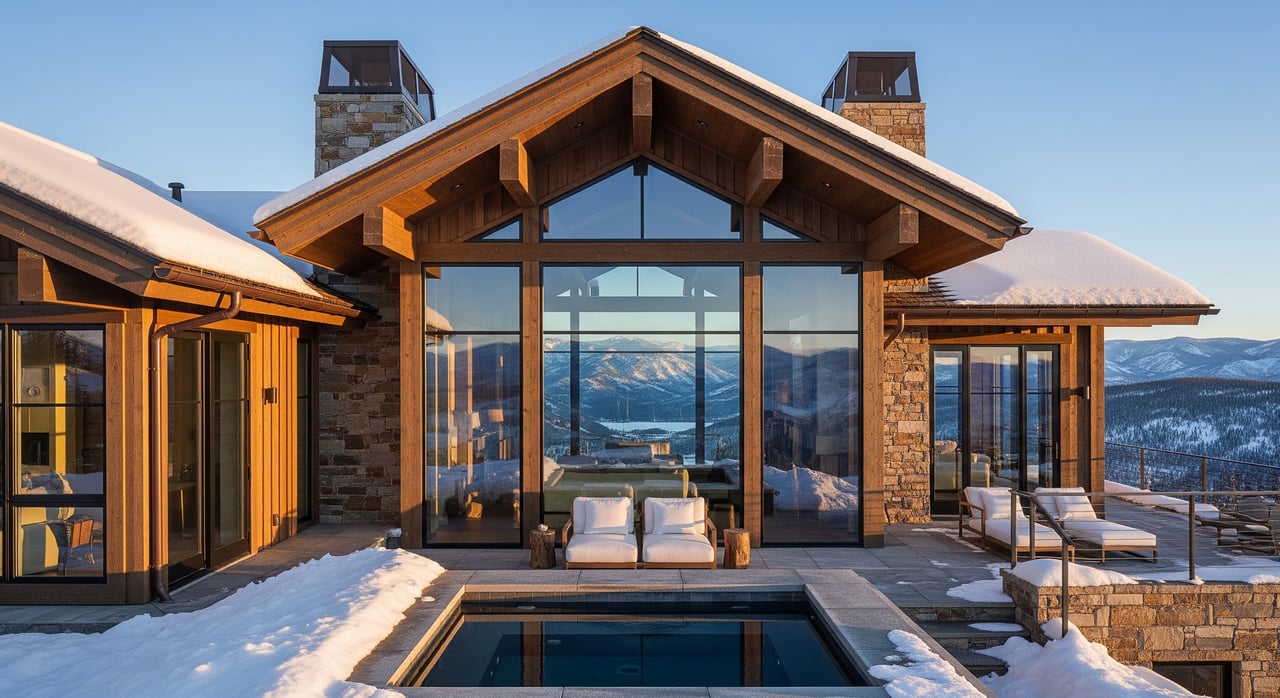
Winter in Sandpoint asks more of a home than most places. You feel it when the first big storm hits and the lake effect lingers, or when a thaw is followed by a hard freeze. If you are buying, you want a place that feels warm, runs reliably, and handles snow without drama. If you are selling, you want to show that your property is ready for the season. In this guide, you’ll learn the winter-ready features buyers value most in Sandpoint and how to spot them during a tour. Let’s dive in.
Why winter-ready matters in Sandpoint
Sandpoint sees prolonged cold, regular snowfall, and freeze–thaw cycles, shaped by Lake Pend Oreille’s microclimates. The result is a real need for heat retention, moisture control, roof snow management, reliable access, and backup power. For weather context and planning, check local climate normals from the NOAA National Centers for Environmental Information and keep an eye on National Weather Service updates.
A winter-ready home keeps your energy bills in check, reduces ice-dam risk, protects the roof, and makes day-to-day living simpler when storms roll through.
Building envelope: insulation and air sealing
A tight, well-insulated shell is the backbone of winter comfort.
- Aim for cold-climate levels similar to what the U.S. Department of Energy recommends for northern zones. That often means high R-values in the attic, properly insulated walls, and R-rated floors over unheated spaces.
- Air sealing should focus on known leakage points like attic hatches, rim joists, top plates, and around windows and doors. A blower-door test helps quantify results.
- Balanced attic ventilation, with soffit intake and ridge exhaust, works with good insulation to keep the roof deck cold and lower the chance of ice dams.
You can review general best practices in the DOE’s Energy Saver resources for cold climates at the U.S. Department of Energy.
Windows and doors: comfort and efficiency
Quality windows and doors limit heat loss and reduce drafts.
- Look for double- or triple-pane glass, low-e coatings, and insulated frames. Lower U-factors mean better winter performance.
- Installation quality matters. Proper flashing and air sealing around frames prevent leaks and drafts.
- Watch for persistent condensation on interior panes. It can point to ventilation issues or low window performance.
For performance guidance and labels, see the resources from ENERGY STAR.
Roofing and snow loads: design that works here
Your roof is your first line of defense during heavy snow and thaw cycles.
- Structure and design: Roof framing and connections should meet local snow-load requirements. Design values are based on ASCE 7 and the building code as adopted locally. For specifics, contact the Bonner County building department or consult a local structural engineer.
- Roof form and materials: Steeper pitches shed snow more easily. Metal roofs shed snow well, but may need snow guards to prevent sudden slides. Low-slope roofs require robust waterproofing.
- Ice-dam prevention: Focus on insulation and air sealing in the attic, clear soffit-to-ridge ventilation, ice and water shield at eaves and valleys, and proper flashing at penetrations.
Signs to note during a tour: stains along interior ceilings, attic frost, sagging members, large recurring icicles, split gutters, or leaks after thaws.
Heating systems and backup power
In Sandpoint, efficient heat and smart backup power planning go hand in hand.
- Primary heat: You will see high-efficiency furnaces and boilers, cold-climate heat pumps, and wood or pellet stoves. Cold-climate heat pumps can work well if sized correctly and paired with appropriate backup heat.
- Backup options: Portable generators are lower cost but require manual setup and safe outdoor use. Standby generators switch automatically and connect to propane or natural gas, offering more convenience. Battery systems, with or without solar, can cover critical circuits quietly and cleanly, but runtime depends on capacity.
- Safety and code: Transfer switches, proper permits, and inspections are essential. Keep carbon monoxide safety top of mind with any combustion equipment.
For general guidance on efficiency and backup planning, explore the DOE’s Energy Saver library at the U.S. Department of Energy. For emergency and safety best practices, see FEMA.
Entry and storage spaces: garage and mudroom
Thoughtful transition spaces make winter living easier and cleaner.
- A mudroom or small vestibule helps keep heat in and snow out. Look for two-door “airlock” layouts where possible.
- Durable flooring with good traction, a spot for mats, and even a floor drain are practical upgrades.
- Benches, cubbies, ventilated storage, and space for boot dryers keep gear organized.
- If the garage is attached, check the seal on the interior door, weatherstripping, and whether the garage door is insulated.
Exterior systems: access, snowmelt, and drainage
Getting in and out safely during storms matters just as much as interior comfort.
- Heated driveways and walkways: Electric systems are simpler to retrofit. Hydronic systems can be efficient for larger areas if tied to a boiler. Both come with higher installation and operating costs, so many owners focus on critical areas only, such as front steps or ramps.
- Alternatives: Snow removal contracts, heated mats on key landings, and clear plans for snow storage can be effective.
- Drainage: Proper grading away from the foundation helps prevent pooling and ice sheets. Plan snow storage so meltwater does not flow back toward the house.
What to look for during a showing
Use this quick buyer checklist to evaluate winter readiness.
- Documentation: Energy audit results, insulation upgrades, recent roof reports, service records for furnaces or boilers, and generator permits or manuals.
- Roof and attic: Condition of shingles or metal panels, flashing, and gutters. Ask about ice and water shield at eaves. If accessible, check attic insulation depth, clear soffit vents, and an insulated attic hatch.
- Windows and doors: Test for drafts, look for fogging between panes, and inspect weatherstripping.
- Mechanical systems: Identify the heat source, age, and recent service. If a generator is present, ask which circuits are on the transfer switch and whether it can power the furnace or well pump.
- Garage and mudroom: Confirm door seals, flooring durability, and storage for wet gear.
- Site access: Note driveway slope, turnarounds, tree cover that may drop snow or limbs, and where snow is stored.
Codes, permits, and local standards
When in doubt, verify.
- Structural snow-load design follows ASCE 7 and the International Building Code as adopted locally. Check with the Bonner County building department for current code editions and permit needs before altering roofs or structural elements.
- Mechanical and electrical work, including standby generators, fuel tanks, transfer switches, hydronic snowmelt systems, and significant garage finishing, typically requires permits and inspections.
You can learn more about national standards from organizations such as the American Society of Civil Engineers and the International Code Council at ICC.
Incentives and rebates
Energy incentives change over time, so always confirm current offers. A good starting point is the Database of State Incentives for Renewables & Efficiency (DSIRE). You can also confirm details through the IRS and your local utility’s efficiency programs.
Which upgrades deliver the most value
If you want the best balance of comfort, protection, and cost, prioritize the basics first.
- Highest ROI: Air sealing and attic insulation improvements often deliver the fastest comfort and energy gains, and they help reduce ice dams.
- Strong value: Window upgrades can boost comfort and curb appeal, with the most benefit when paired with other envelope improvements.
- Lifestyle and resilience: Backup generators or battery systems offer peace of mind, especially if you rely on a well pump or have frequent outages.
- Convenience: Targeted snowmelt for key paths and entries can improve safety without the cost of heating a full driveway.
For sellers: how to showcase winter readiness
You can make your home more attractive to winter buyers by preparing a clear, organized package.
- Provide records: Insulation upgrade receipts, roofing invoices or inspection reports, HVAC service logs, generator permits and circuit maps, and any energy audit results.
- Present clean access: Keep driveways and walkways clear, with a plan or contract in place for snow removal.
- Stage the mudroom: Show off storage, boot benches, and protected flooring to highlight daily ease of use.
- Explain systems: Label critical shutoffs and leave simple instructions for backup power and heat.
Ready to shortlist homes that fit your winter wish list or to prep your listing for cold-weather buyers? Reach out to Jeff Gove for a private market review and a tailored plan.
FAQs
How do Sandpoint buyers verify a roof’s snow-load capacity?
- Ask for construction documents or inspection reports. If those are not available, a structural engineer can evaluate framing and connections against local design snow loads. The Bonner County building department can confirm adopted code editions.
Are cold-climate heat pumps a good fit for Sandpoint winters?
- Yes, many perform well when sized correctly and paired with appropriate backup heat. Ask for model specifications and service records to confirm cold-weather performance.
What are the most cost-effective winter upgrades for an older home?
- Air sealing and attic insulation typically top the list. They improve comfort, cut energy use, and help prevent ice dams before you consider bigger-ticket items.
Do I need a standby generator or is a portable unit enough?
- It depends on your tolerance for outages and your equipment. Standby systems are automatic and can run larger loads, while portable units cost less but require manual setup and safe outdoor use. Confirm which circuits need power.
Are heated driveways worth it in Sandpoint?
- They can be, especially for safety on key entries or ramps. Full-drive installations have high installation and operating costs, so many owners focus on targeted areas and maintain a snow removal plan for the rest.