Looking at homes around Sandpoint and wondering why prices and inventory seem to shift so quickly? You are not alone. In a small, amenity-rich market shaped by lake and mountain seasons, the normal rules can feel different. In this guide, you will learn how the Sandpoint market works, why timing matters, how to read the data, and what to watch in each micro-market so you can move with confidence. Let’s dive in.
What drives Sandpoint demand
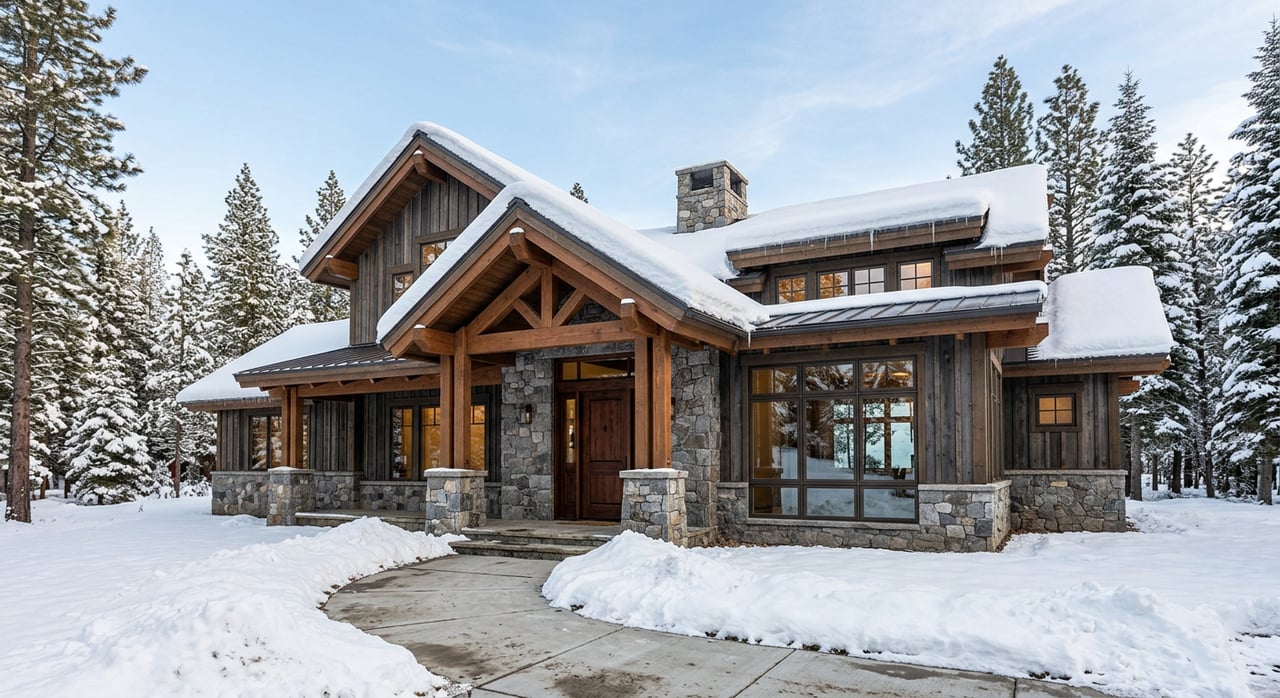
Sandpoint is a small market with big lifestyle appeal. Lake Pend Oreille, Schweitzer Mountain Resort, and a walkable downtown create steady interest from locals, retirees, second-home buyers, and select investors. Geography and regulations limit new supply, so choice locations tend to command consistent attention.
In a small market, month-to-month swings can look dramatic. A handful of sales can shift the median price or days on market. That is why you should rely on 6 to 12 month rolling metrics and year-over-year comparisons. Small market, big swings is the norm here.
Certain features add clear premiums. Waterfront, ski proximity, and in-town walkability often sell for more per square foot. Rural parcels with good access and services can also price above what acreage alone might suggest.
Seasonality and timing
Buying and selling activity follows the seasons. Weather and recreation drive when people visit, shop, and ultimately write offers.
Buyer timing tips
- Late spring through summer brings the most new listings and showings, especially for lake and in-town homes. You will see more options and more competition.
- Late fall and winter can mean fewer listings but also fewer buyers. Motivated sellers may be more open to negotiation.
- If you want lakefront or mountain access, tour during the season you will use it. Check water levels, dock access, snow removal, and road conditions firsthand.
Seller timing tips
- Listing in late spring or early summer typically maximizes exposure for in-town and lake properties.
- If you are selling near Schweitzer, launch just before or during ski season to match buyer attention.
- Use seasonal photos and highlight lifestyle details that matter in that season, like boating in July or ski access in January.
Inventory and price tiers
In Sandpoint, it is more helpful to think in tiers than in fixed price bands. Local price distribution changes with season and inventory, so focus on how buyers shop each tier.
- Entry or affordable tier. You will see smaller homes, older inventory, some manufactured housing, and selected condos. Local workforce, first-time buyers, and downsizers often shop here, and competition can be brisk for well-presented listings.
- Mid-range tier. Updated single-family homes, larger lots, and in-town or neighborhood options draw move-up buyers, local professionals, and some relocating buyers seeking convenience.
- Upper and luxury tier. Lakefront, view lots, newer construction, and mountain-area homes attract second-home owners, affluent locals, and retirees. Jumbo or portfolio financing can be common at this level.
Across tiers, condition matters. Turnkey homes tend to sell faster and closer to asking. Unique properties and high-end locations may face appraisal challenges when comparable sales are scarce.
Micro-markets in 83864
Sandpoint’s submarkets behave differently. Understanding the nuances helps you time, price, and prepare.
In-town Sandpoint
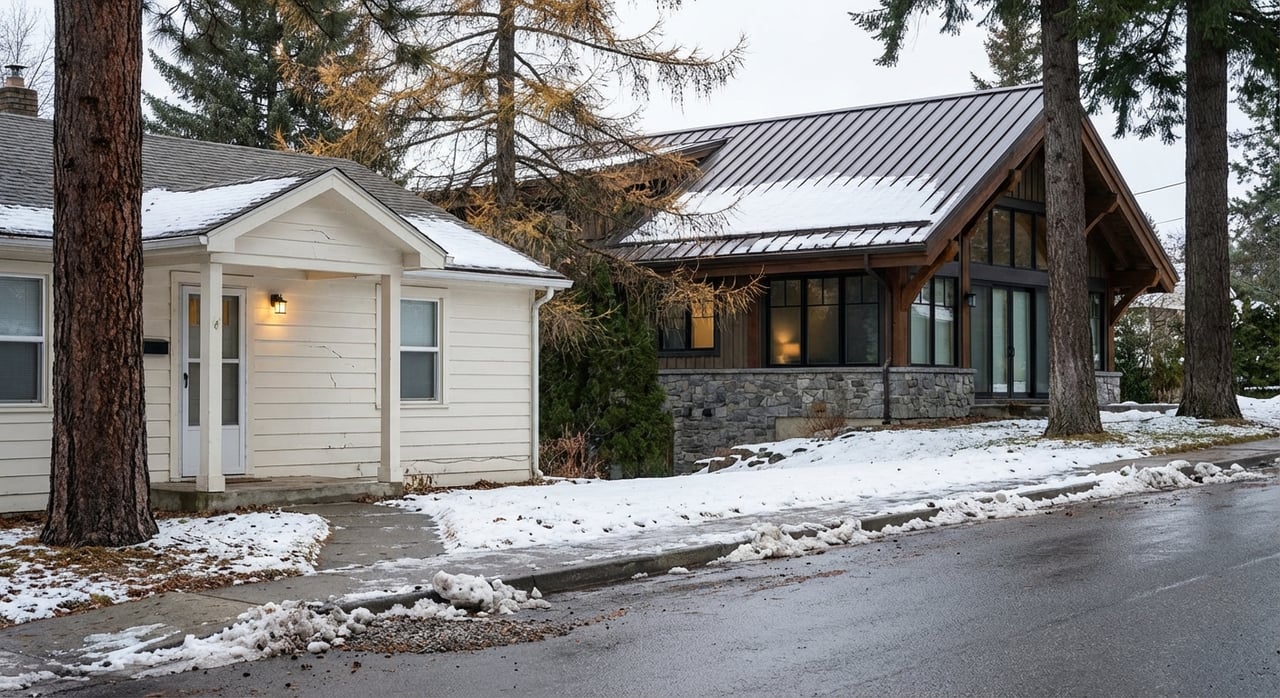
Walkable blocks near downtown feature historic homes, smaller lots, and easy access to shops and restaurants. Full-time residents and professionals value convenience and services. Inventory is limited and condition varies.
Key checks for buyers:
- Confirm municipal water and sewer connections and the age of utilities.
- Budget for potential updates in older homes, including paint and systems.
Seller positioning tips:
- Highlight walkability and recent upgrades.
- Keep landscaping low maintenance and emphasize easy daily living.
Lake Pend Oreille
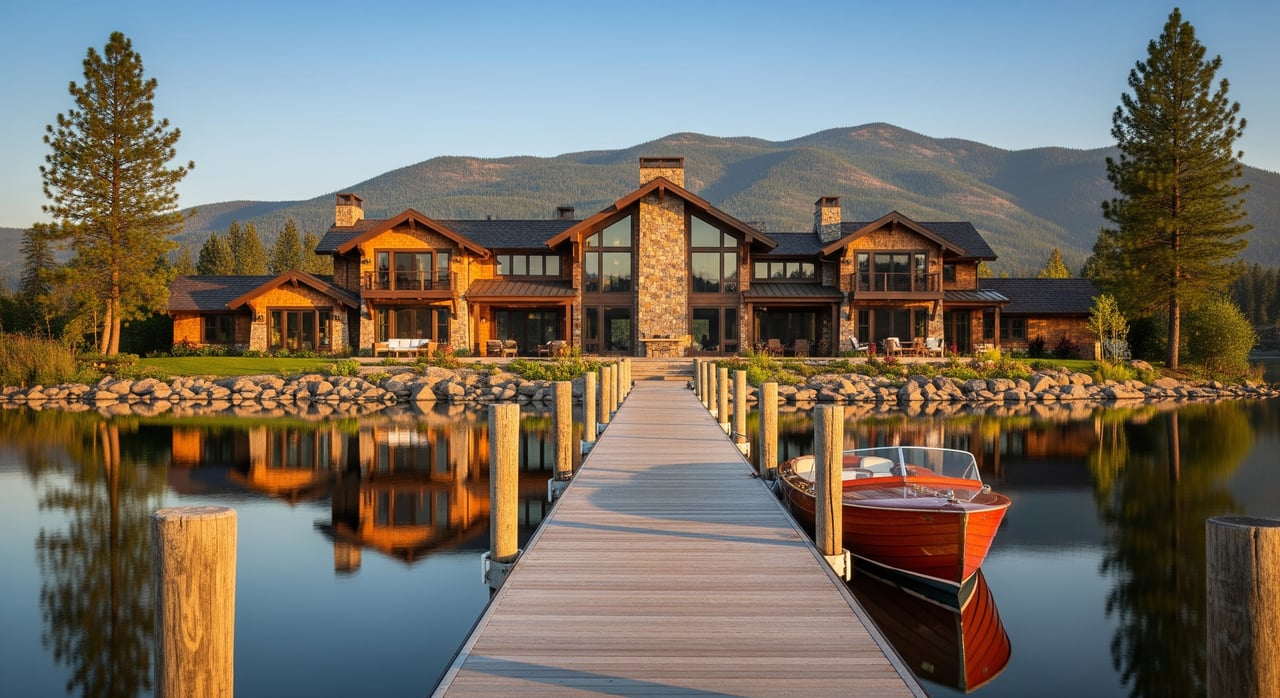
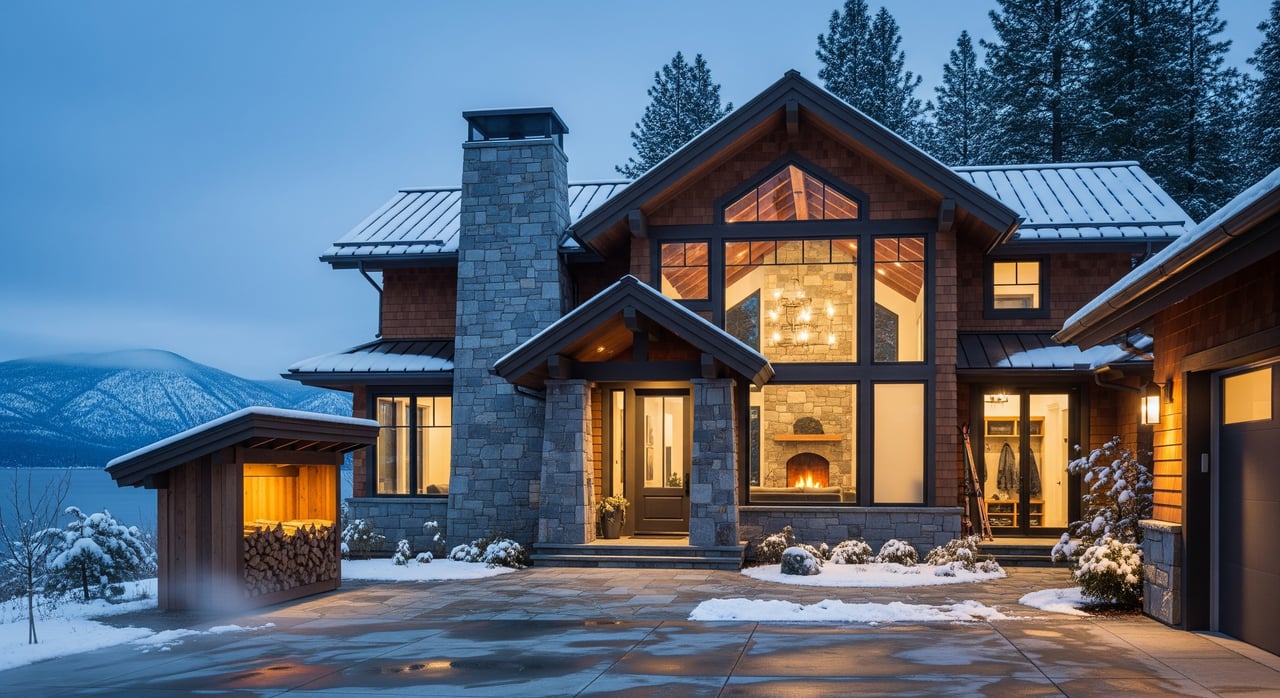
True lakefront and near-lake properties show the highest premiums. Views, private docks, and shoreline details drive value. Second-home buyers and retirees are common in this segment.
Key checks for buyers:
- Verify shoreline and dock permits, easements, and riparian rights.
- Review flood mapping, insurance needs, water source, septic system, and water-table impacts.
- Understand private versus shared dock arrangements and any association rules.
Seller positioning tips:
- Provide clear records for shoreline work, dock permits, and utilities.
- Use seasonal photos of the water, dock, and access, and note boat depth and approach.
Schweitzer and mountain-adjacent
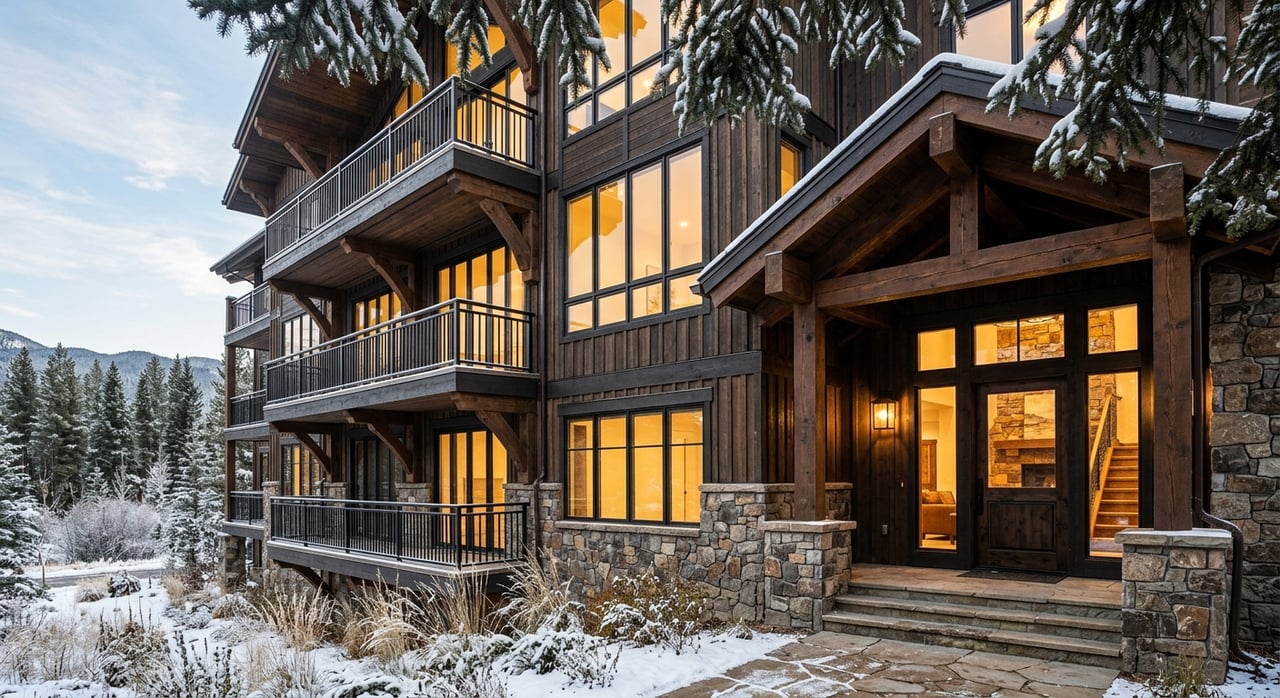
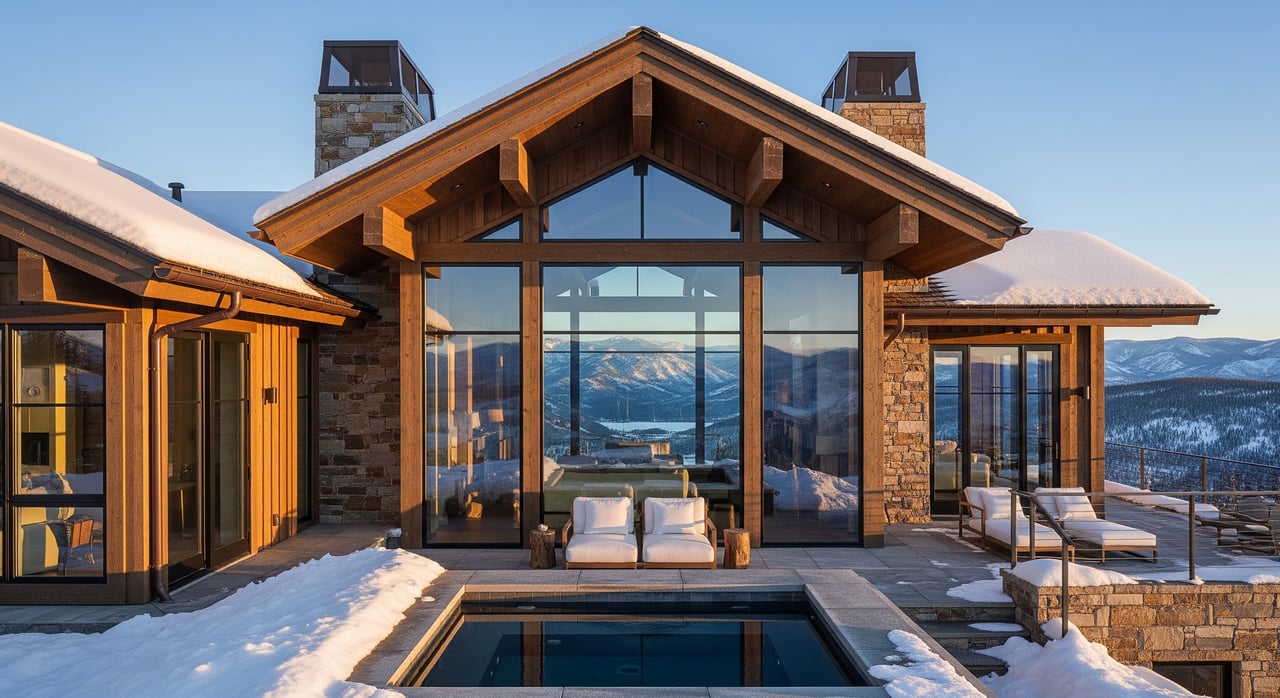
Proximity to Schweitzer Mountain Resort is a major draw. Condos and resort housing are common, and winter access influences value.
Key checks for buyers:
- Confirm year-round road maintenance and snow removal responsibilities.
- Review HOA covenants, fees, and short-term rental rules where applicable.
- Consider wildfire risk and defensible space needs.
Seller positioning tips:
- If the property has rental history, assemble booking and expense records.
- Time your listing for the ski calendar to meet buyer demand.
Rural parcels and outskirts
Larger acreage offers privacy and space. Utilities are often wells and septic systems, and road standards vary.
Key checks for buyers:
- Confirm legal access, recorded easements, and road maintenance agreements.
- Order well flow and water quality tests and verify septic suitability.
- Review setbacks, building envelopes, and wildfire mitigation plans.
Seller positioning tips:
- Disclose easements, well/septic details, and access arrangements.
- Mark property corners and show drivable routes to improve showings.
Reading the market data
Interpreting a small market correctly starts with the right metrics and time frames.
- Months of inventory. This is active listings divided by the average monthly closings. Lower months of inventory suggest more leverage for sellers; higher months indicate more leverage for buyers.
- List-to-sale price ratio. This measures how close final prices are to list prices. Higher ratios signal stronger demand and tighter pricing.
- Median days on market. This shows how quickly listings go under contract. Watch it by submarket to see where demand is strongest.
- Rolling medians and year-over-year comparisons. Use 6 to 12 month rolling views to smooth seasonal spikes and small-sample swings.
For the most reliable picture, look to the local MLS for current listings, pendings, and closed sales. County records and city or county planning departments are your best sources for permits, parcel details, and regulations.
Buyer checklist
Use this short list to focus your due diligence.
- Ask for 12-month rolling medians and recent comps from the local MLS.
- Confirm water source, well yield, and water quality, or verify municipal service.
- Verify septic system status or sewer connection and any required upgrades.
- Review flood maps and shoreline permits for lake properties.
- Assess wildfire risk and local fire district information.
- Confirm road maintenance and winter access for mountain properties.
- Review HOA documents, CC&Rs, fee history, and any short-term rental rules.
- Request a title review for easements, private docks, and access rights.
- Budget for insurance specific to location, including flood or wind where applicable.
- Plan for appraisal challenges if comps are thin; align contingencies with your lender.
Seller checklist
Prepare your property to meet the season and the likely buyer.
- Time your launch: spring or early summer for lake and in-town; ski season for mountain area.
- Gather seasonal photos and feature amenity access, such as docks or trailheads.
- For rental properties, compile occupancy, revenue, and compliance records.
- Disclose known well/septic details, shoreline modifications, and easements.
- Price with a 12-month view and the current active set. Overpricing in a thin market can extend days on market.
Regulations and financing
Sandpoint’s setting brings specific rules and lending considerations. Plan ahead to avoid surprises.
- Short-term rentals. Confirm city and county ordinances and any licensing, and review HOA restrictions before you buy or list.
- Shoreline and docks. Check state and county permitting, setbacks, and environmental requirements for any waterfront work.
- Building and septic. Verify permits for past renovations and confirm septic approvals for capacity and expansions.
- Financing and appraisals. Unique or high-end properties may require larger down payments, jumbo or portfolio loans, and careful appraisal support. Cash offers are common in competitive segments.
Bringing it together
When you understand Sandpoint’s seasonality, micro-markets, and the right metrics, you can act with clarity. Whether you are targeting a downtown bungalow, a lakefront retreat, a mountain condo, or a quiet rural parcel, a data-informed plan and thoughtful timing will improve your outcome. If you want a tailored strategy, request a Private Market Review with Jeff Gove to align timing, pricing, and presentation with your goals.
FAQs
Is Sandpoint a buyers’ or sellers’ market right now?
- Use months of inventory and the list-to-sale price ratio to gauge leverage; lower inventory and higher ratios favor sellers, while higher inventory and softer ratios favor buyers.
When is the best time to sell a lakefront home in Sandpoint?
- Late spring through early summer typically delivers peak exposure for lake properties, especially with seasonal photos and clear dock and shoreline details.
How much more do lakefront and ski-adjacent homes cost?
- These locations usually carry the highest premiums per square foot; verify with current local comps and be prepared for appraisal considerations when sales are limited.
What inspections are unique to Sandpoint waterfront homes?
- Prioritize shoreline and dock permits, flood mapping, water source and quality, septic capacity, and insurance requirements specific to lakeside properties.
Are short-term rentals allowed in Sandpoint and Bonner County?
- Policies vary by city, county, and HOA; confirm current rules, licensing, and any caps before purchasing or marketing a property for short-term rental.
How do small market conditions affect appraisals?
- With fewer comparable sales, appraisals can vary; plan for longer timelines, detailed comps, potential lender overlays, and consider larger down payments for unique homes.